News
New Head of Microelectronics (ME) department
- Thursday, 9 April 2026
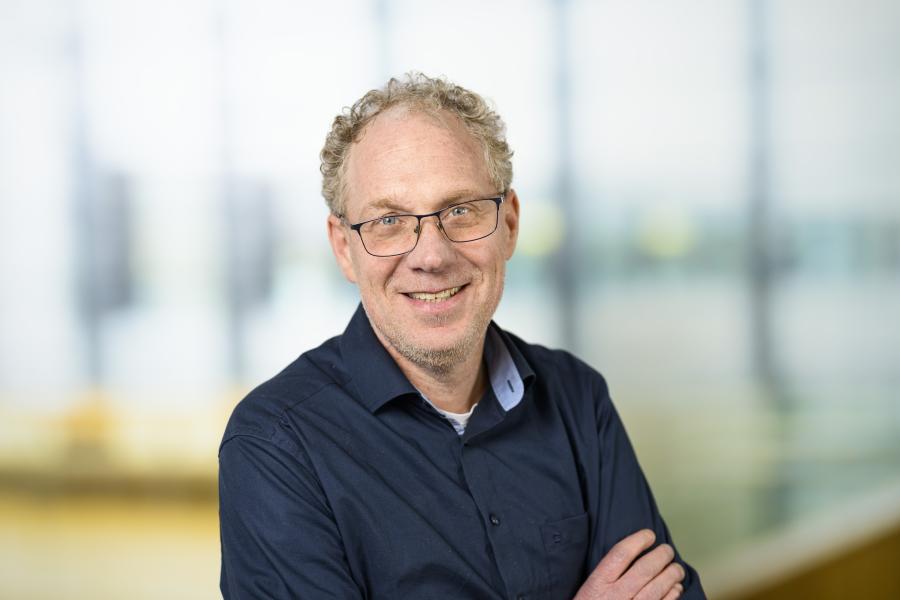
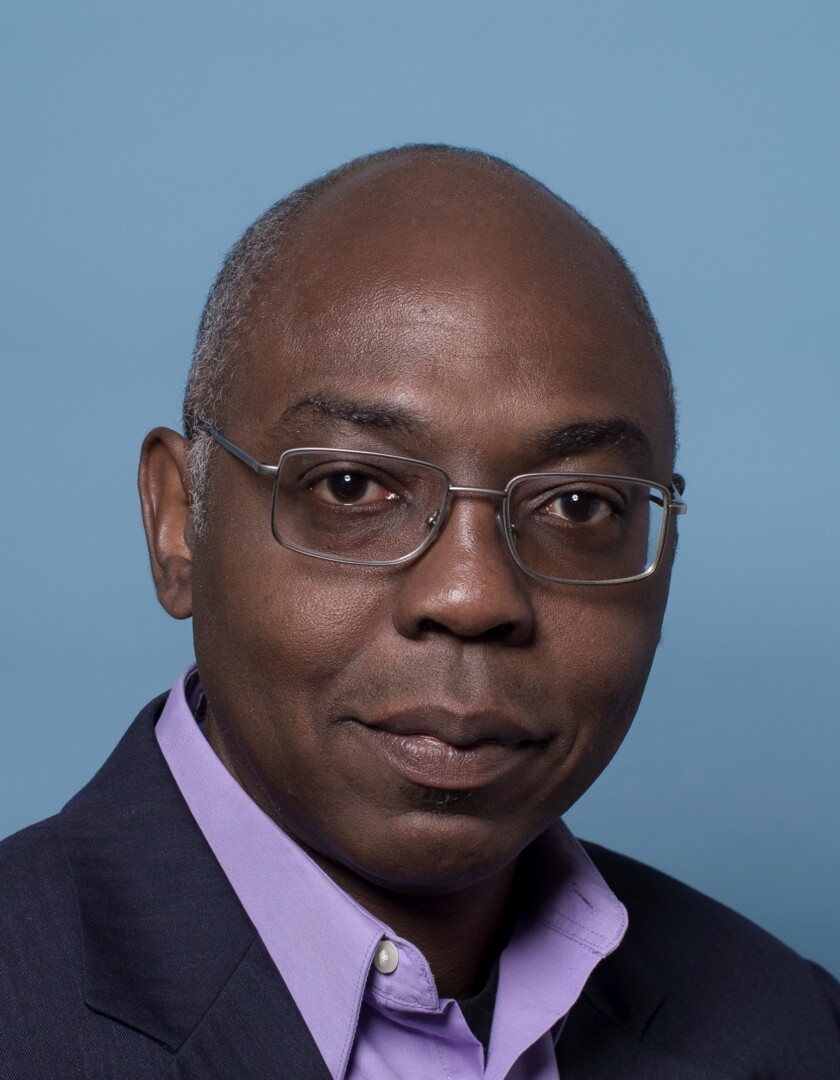
New Head of Microelectronics (ME) departmentFollowing Professor Kofi Makinwa’s successful ten-year tenure as chair, it is time to hand over the leadership of the Microelectronics (ME) department. From 1 April 2026, his successor, Professor Willem van Driel, will take on this role within TU Delft's faculty of Electrical Engineering, Mathematics and Computer Science (EEMCS). Willem is taking on the role with enthusiasm, although, according to him, there was one condition attached: that the tram to TU Delft finally starts running. “Otherwise, I won’t take it on, given my reliance on public transport,” he joked.
With Van Driel’s appointment, the department gains a chair with a remarkable career. After more than thirty years in industry, he made the switch to academia two years ago. “After thirty years of industrial experience, where everything was actually supposed to be finished yesterday, the move to academia is almost asking for trouble,” he says with a smile. “In industry, everything must be done immediately; in science, everything has to be carefully checked first. So, I’m still very much in the process of cultivating academic patience.”
According to Van Driel, the Microelectronics department is in a strong position. “Over the past decade, Kofi has established the department in a strong international position. It’s rock solid, but it could do with a bit of maintenance now and then.” By this he means further strengthening the organisational culture within the department, with a focus on transparency, trust and empowerment.
Within Microelectronics, researchers, students and engineers work together on technologies ranging from smart sensors and medical implants to high-speed communication and terahertz systems. Against the backdrop of geopolitical tensions surrounding chips and technology, Van Driel sees a clear role for the university in this regard. “The world around us is sometimes turbulent, with geopolitical tensions and major economic interests at stake in the semiconductor industry. As a university, and as a faculty, we must maintain our own focus: educating people and conducting research that contributes to social progress.” According to him, the department’s strength lies in multidisciplinary collaboration. “Let’s make sure that our innovations have a global impact.”
Lucas van Vliet, Dean of EEMCS, also emphasises Kofi Makinwa’s contribution over the past ten years. “Under Kofi’s leadership, Microelectronics has developed into a strong research department with a high international profile. His scientific leadership, vision and commitment to the department have played a key role in that development.” Regarding the succession, Van Vliet says: “In Willem van Driel, Microelectronics is gaining a chair with a broad perspective and extensive experience in the business world. I have every confidence that he will further build on the strong foundation that is already in place.”
Van Driel looks ahead with enthusiasm: “Together, we will tackle the challenges facing Microelectronics, both in teaching and research and in collaboration with the rest of the university. I am convinced that, as Microelectronics, we can achieve this together.”
News
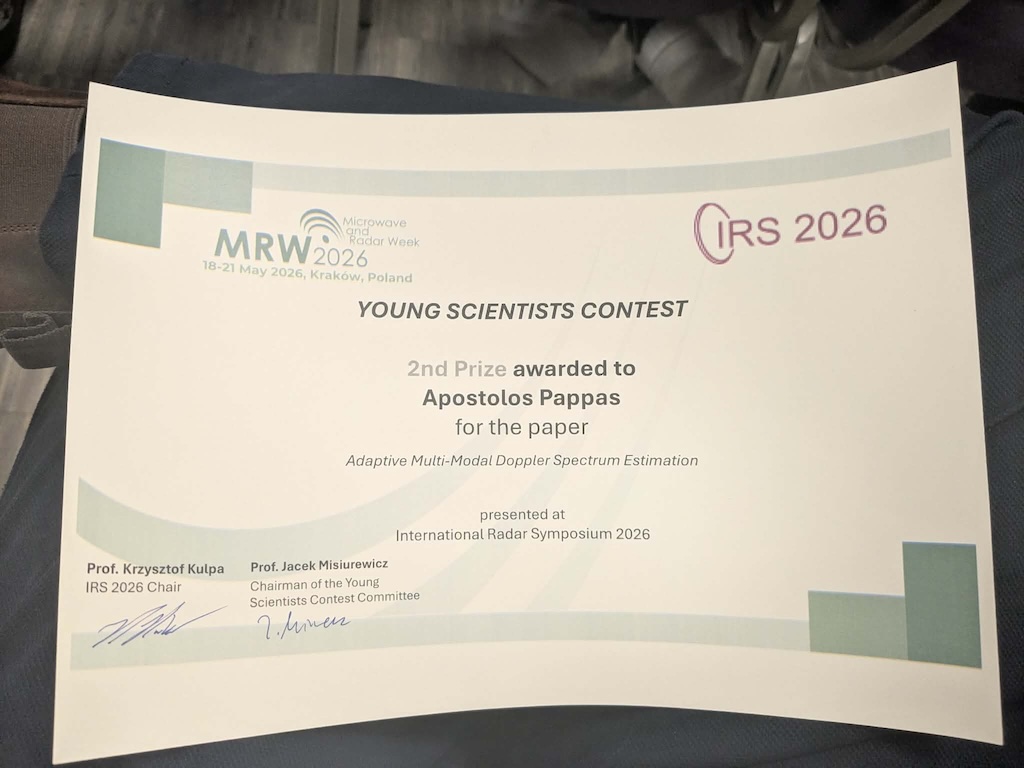
The Second Prize in the Young Scientists Contest at the International Radar Symposium for Apostolos Pappas (MS3)
PhD candidate Apostolos Pappas won Second Prize in the Young Scientists Contest at the International Radar Symposium 2026 in Krakow (Poland)

Dr. Bahareh Abdi (EEE) Awarded Prestigious Comenius Senior Fellowship for AI Ethics Education Project
Dr. Bahareh Abdi (EEE) has been awarded a prestigious Comenius Senior Fellowship to develop an open repository of real-world AI and Data Science challenges that embed ethical reasoning directly into technical practice.
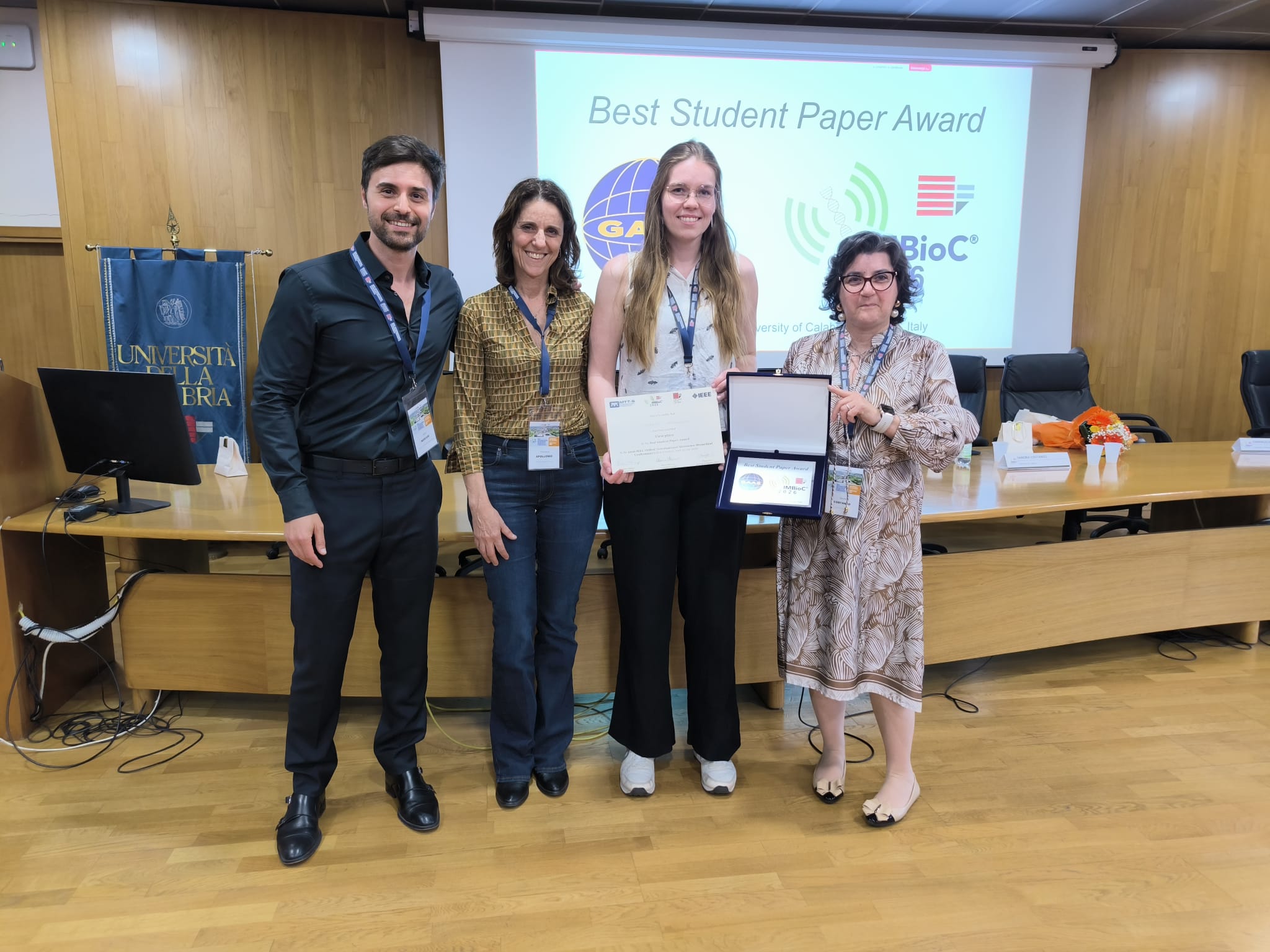
Best student paper award for Mareike Wendelmuth (MS3)
Mareike Wendelmuth (MS3 group) won the First Prize in the Best Student Paper Awards at the IEEE IMBIOC 2026 conference for her paper entitled “Breathing rate estimation from data fusion of multiple elevated and tilted FMCW radars”.